Zurich’s Wild Heart: Where Alpine Majesty Meets Timeless Culture
You know that feeling when nature just slaps you in the best way? That’s Zurich. Beyond its sleek streets and Swiss precision, the city pulses with cultural soul and raw natural beauty. I’m talking snow-capped peaks cradling the horizon, crystal lakes reflecting medieval spires, and traditions that breathe life into every cobblestone. This isn’t just a getaway—it’s a full-sensory journey where alpine wonders and living heritage collide. Let me show you the side of Zurich most tourists miss.
The First Glimpse: Arriving in Zurich with Nature in View
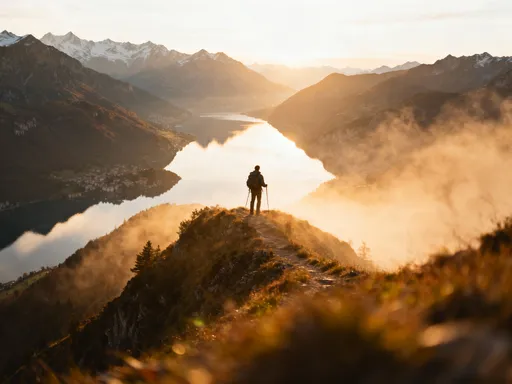
From the moment you step off the train at Zurich Hauptbahnhof or descend through the clouds on a morning flight, the city reveals itself not as an isolated urban center, but as a living extension of the natural world. The Limmat Valley unfurls beneath you, framed by rolling hills and distant alpine ridges that shimmer in the light. Unlike many global cities that rise defiantly against nature, Zurich nestles into its surroundings with quiet confidence. The Uetliberg mountain, often called the 'house mountain' of Zurich, looms just to the west, its forested slopes offering an immediate invitation to leave pavement behind and enter the embrace of wilderness.
This harmony between built environment and natural grandeur is no accident—it is foundational to Zurich’s identity. The city’s layout follows the curve of Lake Zurich and the flow of the Limmat River, respecting topography rather than conquering it. Even in the busiest districts, views of green hills or distant snowfields are never far. For residents, this proximity to nature isn’t merely scenic; it shapes daily rhythms. Commuters may ride the S-Bahn past grazing cows on valley slopes, while office workers take lunch breaks overlooking vineyards that climb sun-drenched terraces. This seamless integration fosters a deep-seated awareness that life in Zurich is not separate from nature, but interwoven with it.
Arrival by train enhances this impression. Switzerland’s rail system delivers travelers directly into the heart of the city with minimal disruption, allowing the transition from high alpine tunnels to urban platforms to feel like a natural progression rather than a jarring shift. As you exit the station, the air carries a crispness that speaks of nearby forests and open water. Within minutes, you can be walking along the Limmat, watching kayakers glide past historic guild houses, or ascending to Lindenhof Hill for a panoramic view where church spires and mountain peaks share the skyline equally. This immediate access to both culture and wilderness sets Zurich apart—not as a city that merely visits nature, but as one that lives within it.
Lake Zurich: The Liquid Pulse of the City
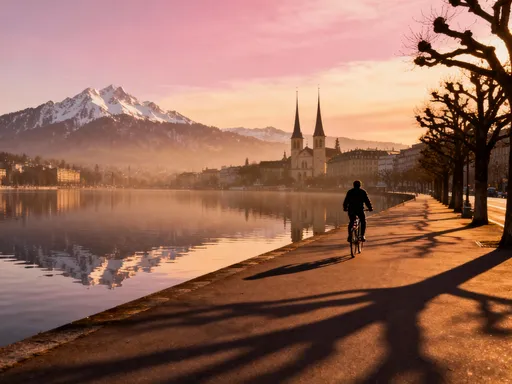
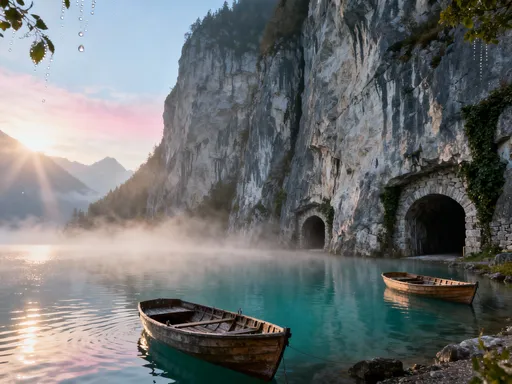
Lake Zurich is more than a body of water; it is the city’s beating heart, a shimmering corridor where urban life and natural serenity converge. Stretching over 20 kilometers from Zurich’s old town to the foot of the Alps, the lake was carved by glaciers during the last Ice Age, leaving behind waters so clear that on calm days, you can see fish darting between submerged stones. Fed by Alpine streams and surrounded by forested slopes, the lake undergoes a quiet transformation with each season—frozen edges in winter, sun-dappled waves in summer, and mirror-like surfaces in autumn that reflect the golden crowns of lakeside trees.
For Zurich’s residents, the lake is not a backdrop but a companion. In warmer months, locals flock to the Badi—lakeside swimming areas like Mythenquai and Tiefenbrunnen—where wooden piers extend into the cool water and families lounge on sun-warmed decks. These are not commercial resorts but public spaces cherished for their simplicity and accessibility. Children splash in shallow zones while parents read beneath striped umbrellas, all under the watchful gaze of distant peaks. Even in winter, when temperatures drop and mist curls off the surface, people walk the promenades, their breath visible in the air, drawn to the lake’s quiet energy.
The lake also anchors some of Zurich’s most enduring cultural moments. Each spring, the Sechseläuten festival draws crowds to the shores, where the burning of the Böögg—a snowman effigy symbolizing winter—marks the official arrival of warmer days. The time it takes for the Böögg’s head to explode is said to predict the summer’s quality, a whimsical tradition rooted in agricultural cycles and communal hope. Meanwhile, boat cruises operated by Zürichsee-Schifffahrtsgesellschaft connect lakeside towns, offering passengers views of vineyards, medieval chapels, and private gardens that spill down to the water’s edge. These vessels, some with wooden interiors and paddle wheels, move at a pace that honors the lake’s tranquility rather than disrupting it.
What makes Lake Zurich truly special is how effortlessly it blends recreation, ritual, and reverence. Whether it’s a morning jog along the water, a moonlit rowboat ride, or a lakeside picnic with Swiss cheeses and fresh bread, the experience feels intimate and timeless. The lake does not demand attention; it simply exists, steady and serene, reminding everyone who encounters it that beauty and balance are possible—even in a modern city.
The Alps at the Doorstep: Accessible Wilderness
One of Zurich’s most remarkable qualities is how quickly the wild Alps rise from the city’s edge. Within 30 minutes by train, the urban skyline gives way to forested ridges, rushing streams, and high meadows dotted with wildflowers. This proximity is not a luxury but a way of life. The Swiss public transportation network—renowned for its precision and coverage—makes it possible for a Zurich resident to have breakfast in the city and be hiking in the Glarus Alps by mid-morning. Trains, buses, and cable cars operate in seamless coordination, turning what might be a day-long expedition elsewhere into a routine weekend escape.
The Sihlwald forest, just southwest of the city, is a prime example of this accessible wilderness. As part of the larger UNESCO Biosphere Reserve, it offers over 50 kilometers of marked trails winding through ancient beech trees, across wooden footbridges, and alongside the Sihl River. Hikers may spot red deer at dawn or hear the drumming of a black woodpecker in the canopy. Interpretive signs along the paths provide insights into local flora and fauna, reinforcing the educational value of these natural spaces. For families, the forest is both playground and classroom; for solo walkers, it is sanctuary.
Beyond Sihlwald, destinations like Einsiedeln, the Muotathal Valley, and the Klausen Pass offer even more dramatic alpine scenery. These areas are not tourist traps but deeply rooted parts of Swiss rural life. Mountain farms still practice seasonal transhumance, moving cattle to high pastures in summer—a tradition known as Alpaufzug. Visitors might encounter a procession of cows adorned with bells and floral headdresses, a sight that blends practicality with celebration. These journeys into the highlands are not just about physical exertion; they are cultural pilgrimages, connecting city dwellers to the rhythms of the land.
The Swiss concept of Wanderlust—literally 'desire to hike'—is more than a pastime; it is a national ethos. Trails are meticulously maintained, marked with yellow signs indicating precise walking times, and protected by law. This commitment ensures that nature remains open to all, not just the adventurous or well-equipped. For many Zurich residents, a weekly hike is as routine as grocery shopping. It is a way to reset, to breathe deeply, and to remember that the mountains are not distant postcards but living, breathing neighbors.
Seasons as Storytellers: How Nature Shapes Zurich’s Rhythms
In Zurich, the calendar is not ruled by numbers but by nature’s subtle shifts. Each season paints the city in a new palette, bringing with it distinct textures, scents, and customs. Spring arrives gently, with cherry blossoms lining the Limmat and daffodils pushing through damp earth in parks like Platzspitz. This awakening is celebrated quietly—through the first open-air café seating, children flying kites on grassy slopes, and the return of swans to the lake. The melting snow feeds streams and fills fountains, and the air carries the fresh scent of wet bark and budding leaves.
Summer transforms Zurich into a sunlit haven. The lake becomes a playground, and the hillsides glow with greenery. But this season also honors rural traditions. In nearby villages, farmers gather for Alpabzug festivals, where decorated cows descend from high pastures in autumn, their bells echoing through valleys. These events draw urban families eager to connect with agricultural roots. Meanwhile, rooftop gardens in the city burst with herbs and vegetables, and farmers’ markets overflow with strawberries, cherries, and new potatoes—ingredients that define seasonal Swiss cuisine.
Autumn arrives in a cascade of gold and rust. The chestnut trees along Bahnhofstrasse shed their glossy leaves, and the lake reflects a sky streaked with orange and violet at dusk. This is the season of harvest and preparation. Apples are pressed into cider, grapes from local vineyards become young white wines, and bakeries offer Mostwähe, a tart made with fruit must. The cooler air invites cozy evenings—perhaps with a glass of mulled wine at an early winter market—or brisk hikes through forests carpeted with fallen leaves.
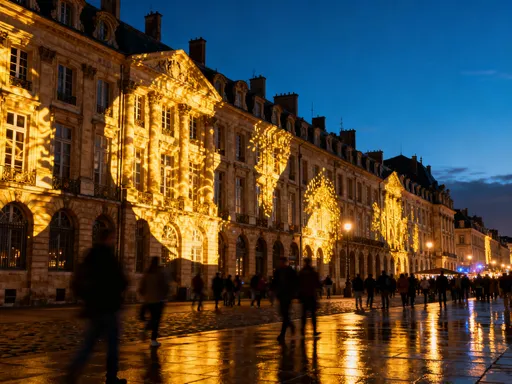
Winter in Zurich is neither harsh nor dormant. While snow dusts the distant peaks, the city remains active and warm. Christmas markets illuminate the old town with wooden stalls selling hand-carved ornaments, spiced nuts, and hot chocolate. The atmosphere is one of quiet celebration, not commercial frenzy. Families ice skate on temporary rinks, and some venture into the higher Alps for skiing or snowshoeing. Yet even in the city, winter has its rituals: the lighting of Advent candles, the baking of Lebkuchen, and the simple pleasure of walking beside a frozen section of the lake, listening to the ice crackle under moonlight. Through each season, Zurich lives in dialogue with nature, its pulse rising and falling in time with the land.
Sacred Sights: Churches, Chapels, and the Spirit of the Landscape
Zurich’s religious landmarks are not merely architectural treasures; they are spiritual anchors rooted in the natural world. The Grossmünster, with its twin Romanesque towers, stands atop a hill overlooking the Limmat River, a position that once offered both physical and symbolic elevation. According to legend, the church was founded where the bodies of the city’s patron saints, Felix and Regula, were buried after their martyrdom—and where they miraculously carried their heads uphill after execution. This tale, fantastical as it may seem, reflects a deep connection between faith, sacrifice, and the land itself.
Likewise, the Fraumünster, originally a Benedictine convent for aristocratic women, occupies a central place in Zurich’s skyline. Its stained-glass windows, designed by Marc Chagall in the 1970s, depict biblical scenes in radiant blues and reds, but they also capture the interplay of light and color found in alpine skies. When sunlight streams through the glass, it casts jewel-toned patterns on the stone floor—a reminder that the divine, in this context, is not separate from beauty but revealed through it. The church’s location, nestled beside the river, ties it to the flow of time and water, both literal and metaphorical.
Smaller chapels scattered throughout the surrounding hills—like the pilgrimage church of Einsiedeln or the remote Waldkapelle in the Sihlwald—further illustrate how faith and nature coexist. These sites are often reached by foot, their paths winding through forests and meadows. Pilgrims and hikers alike visit not for spectacle but for stillness. The act of walking to a mountain chapel becomes a form of meditation, a physical expression of seeking. Even in modern times, these spaces remain active, hosting seasonal services and community gatherings that honor both spiritual and seasonal cycles.
What unites these sacred sites is their relationship to place. They were not built in defiance of nature but in response to it—on hills for visibility, beside water for life, and in forests for solitude. In Zurich, spirituality is not confined to Sunday worship; it is lived in the respect for the land, the quiet awe of a sunrise over the lake, and the understanding that some things—like mountains, seasons, and time—are greater than human control.
Living Traditions: Folklore, Festivals, and the Natural World
The cultural soul of Zurich is not preserved in museums but lived in streets, fields, and mountains. Traditional music, dance, and ritual remain vital, passed down through families and communities. The Alphorn, a long wooden horn once used to communicate across valleys, still echoes in alpine meadows during festivals. Its deep, resonant notes carry for miles, not as performance but as connection—a sonic thread linking past and present. Yodeling, too, persists beyond tourist shows; it is practiced in rural choirs and taught to children as part of local heritage programs.
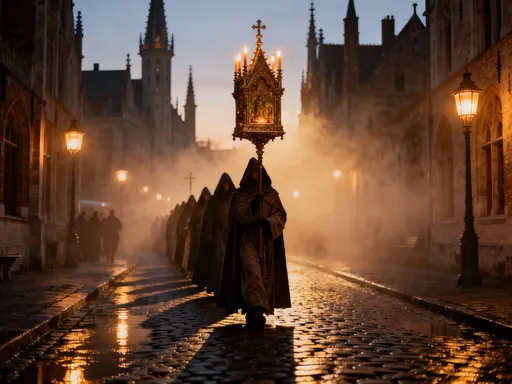
One of the most striking traditions is Chlausjagen, a winter procession held in early December in nearby towns like Küssnacht. As night falls, figures dressed as Schmutzli—dark companions to Saint Nicholas—roam the streets with cowbells and torches, their faces blackened, creating a dramatic, almost primal atmosphere. While the imagery may seem intense, the event is deeply rooted in seasonal symbolism: the expulsion of winter’s darkness and the anticipation of light’s return. Families gather to watch, children cling to parents, and the sound of hundreds of bells fills the cold air. This is not entertainment; it is communal storytelling, a way of marking time through ritual.
Other festivals align with agricultural milestones. The Alpabzug, mentioned earlier, celebrates the return of cattle from high pastures. Cows are adorned with wreaths and large bells, paraded through villages to the cheers of onlookers. Farmers receive blessings for their herds, and communal meals follow, featuring fresh dairy products like Schabziger cheese and warm milk with honey. These events reinforce the value of stewardship, hard work, and gratitude—values embedded in Swiss rural life and increasingly cherished by urban residents seeking authenticity.
Even in Zurich’s neighborhoods, traditional music groups perform at local festivals, and folk dancing is taught in community centers. These practices are not relics but living expressions of identity. They remind residents that culture is not static; it grows from the land, the seasons, and the shared experiences of a community that values continuity as much as progress.
Sustainable Harmony: How Zurich Protects Its Natural Treasures
Zurich’s relationship with nature is not just emotional or cultural—it is ethical. Environmental stewardship is woven into the city’s policies, infrastructure, and daily habits. Public transportation runs largely on hydroelectric power, and the tram network is so efficient that many residents choose not to own cars. Recycling is mandatory and meticulously sorted, with systems in place for paper, glass, organic waste, and even textiles. Buildings are designed with energy efficiency in mind, and green roofs are increasingly common, supporting biodiversity and reducing urban heat.
The city also protects natural areas through strict zoning and conservation efforts. The Sihlwald forest, for example, was designated a nature park in 2009, ensuring its preservation for future generations. Urban planning prioritizes green spaces, with parks, riverbanks, and community gardens integrated into neighborhoods. Even in dense districts, trees line the streets, and ivy climbs apartment walls, softening the urban landscape.
This commitment is not driven by trendiness but by a deep-seated belief in responsibility. The Swiss concept of Nachsorge—aftercare or stewardship—implies that each generation inherits the land and must pass it on undiminished. This ethic is taught in schools, reinforced by community programs, and reflected in national policies on water quality, air standards, and wildlife protection. Residents take pride in clean lakes, clear rivers, and accessible wilderness, understanding that these are not gifts of chance but results of collective action.
Zurich’s sustainability model shows that modern life and environmental care are not in conflict. The city thrives economically while maintaining ecological balance, proving that progress need not come at nature’s expense. This balance is not perfect, but it is intentional—a daily practice of respect, restraint, and renewal.
Zurich reveals a rare truth: that modern life and wild beauty don’t compete—they coexist. Its culture isn’t preserved behind glass; it thrives in the rhythm of seasons, the echo of horns in valleys, and the quiet pride of keeping nature close. This city doesn’t just sit beside the Alps—it listens to them. And if you come with open eyes, you will too.