Sapporo’s Hidden Truths: What Tourists Never See Coming
You know that excited feeling when you're about to land in Sapporo, snow-capped mountains in the distance and ramen dreams in your heart? I had it too—until I walked into tourist traps disguised as "authentic experiences." This city is stunning, but not everything shines. Let me guide you through the real Sapporo, where charm meets caution, and help you skip the missteps most visitors make. Beneath its polished postcard surface lies a more complex reality—one shaped by timing, awareness, and the quiet difference between seeing a place and truly understanding it. The journey to authentic discovery begins not with a map, but with clear eyes.
First Impressions: Sapporo’s Allure and the Fine Print
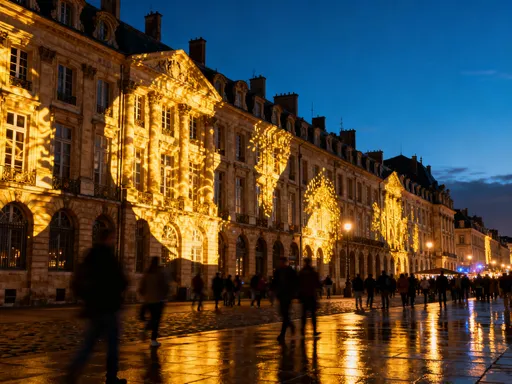
Sapporo greets travelers with a curated elegance—wide boulevards dusted in winter snow, the scent of miso ramen curling through crisp air, and the promise of natural beauty just beyond the city limits. Its global reputation, built on the annual Snow Festival, fresh seafood markets, and serene parks like Maruyama, sets high expectations. Travel brochures and social media feeds amplify this allure, painting a picture of seamless charm. Yet behind this polished image lies a subtle truth: much of what’s marketed as "authentic" is, in fact, carefully staged for mass appeal.
The city’s most iconic zones often reflect commercial convenience more than cultural depth. For instance, the polished stalls of Nijo Market, while visually inviting, increasingly cater to tour groups with pre-packaged seafood sets and photo-friendly displays. While fresh and safe, they lack the spontaneity of local fishmongers haggling over morning catches. Similarly, the meticulously maintained pathways of Odori Park during festival season are a marvel of urban planning, but also a controlled environment—gates regulate entry, walkways bottleneck, and visitor behavior is quietly policed to maintain order. This isn’t deception, but a natural consequence of popularity: authenticity gets streamlined.
Many tourists arrive assuming that visibility equals value—that if something is promoted heavily, it must be essential. But in Sapporo, as in many global destinations, prominence doesn’t always correlate with quality or local relevance. The most beloved neighborhood ramen shop might have no English sign and no online presence. The best view of Mount Moiwa could require a short hike rather than a cable car ride. Recognizing this gap between perception and reality is the first step toward a richer experience. It’s not about rejecting the popular—it’s about balancing it with intention.
Understanding Sapporo’s duality means embracing both its grandeur and its quiet corners. The city’s charm isn’t diminished by its commercial zones; rather, it’s deepened by the contrast. By acknowledging that some experiences are designed for volume while others thrive in obscurity, travelers can make more informed choices. This awareness doesn’t breed cynicism—it fosters respect. Respect for the locals who live beyond the festival lights, for the artisans who work without fanfare, and for the city’s ability to balance tradition with modern demands.
Otaru as a Day-Trip Illusion: When Proximity Misleads
Otaru, nestled along the coast just 30 minutes from Sapporo by train, is frequently packaged as a perfect half-day escape—a picturesque canal town famed for its glasswork, music boxes, and nostalgic Meiji-era architecture. Brochures and tour operators present it as a seamless extension of the Sapporo experience, a place where history feels preserved and charm feels effortless. Yet for many visitors, the reality falls short. What begins as a romantic vision often unfolds into a crowded, souvenir-saturated corridor where the line between culture and commerce blurs.
The Otaru Canal, especially in the evening when lit by gas lamps, is undeniably photogenic. But the surrounding area has become a tightly packed strip of gift shops, crepe stands, and seafood restaurants vying for tourist attention. During peak seasons—particularly in winter and cherry blossom time—foot traffic can make leisurely exploration difficult. The narrow walkways along the water fill quickly, and the experience shifts from contemplative to congested. What was once a working port has been transformed into a living museum, one where the artifacts include not just old warehouses, but also crowds navigating timed entry points and queue management systems.
Still, Otaru isn’t without genuine value. The key lies in timing and intention. Early mornings, before 8:30 a.m., offer a different rhythm—fewer people, softer light, and a chance to see locals walking dogs or opening shuttered storefronts. Away from the canal, quiet side streets reveal family-run pickle shops, traditional sweet makers, and small galleries where artisans still practice their craft. The Sakaimachi Street glassblowing studios, while tourist-facing, often host live demonstrations that are both educational and engaging. The difference is in approach: visiting Otaru not as a checklist item, but as a place with layers worth peeling back.
Travelers should also consider visiting during shoulder months—April or October—when temperatures are mild and crowds thinner. A midweek trip further reduces congestion. And rather than rushing back to Sapporo, consider lingering for lunch at a local udon shop tucked behind the main drag, where elderly couples sip tea and exchange neighborhood news. These quieter moments offer a more truthful glimpse of Otaru’s character. Proximity to Sapporo may make it convenient, but convenience shouldn’t dictate depth. A thoughtful, unhurried visit transforms Otaru from a scenic backdrop into a meaningful stop.
Susukino After Dark: Glamour vs. Gimmick
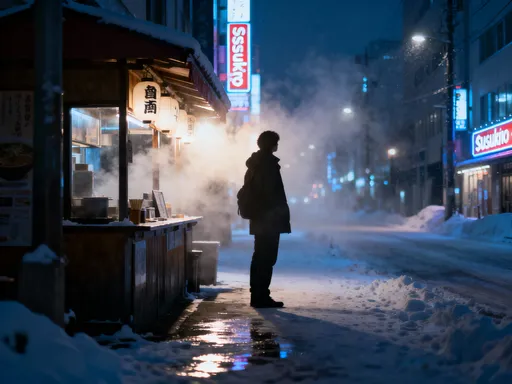
Susukino, Sapporo’s vibrant entertainment district, pulses with neon lights, towering signs, and the constant hum of nightlife. By day, it’s a busy commercial hub; by night, it transforms into a sensory spectacle that draws both locals and tourists seeking food, drinks, and energy. Its reputation as Hokkaido’s entertainment heart is well-earned, but it also harbors pitfalls for the unprepared. While many establishments operate with integrity, a subset specifically targets visitors with tactics that blur the line between hospitality and exploitation.
One common issue is price inflation in certain bars and hostess clubs, particularly those clustered near the main subway exits. These venues may lure guests with English-speaking staff, flashy exteriors, or “free drink” offers, only to present shockingly high bills at closing time. Some operate on a time-based pricing model, where every minute spent inside adds to the total, often without clear disclosure. Others use bait-and-switch tactics, offering one menu to passersby and a completely different, far more expensive one once a guest is seated. While not illegal, these practices rely on social pressure and language barriers to succeed.
For travelers seeking authentic nightlife, the solution lies in knowing where to look. True izakayas—small, casual Japanese pubs—tend to be tucked away on upper floors or side alleys, with handwritten menus and regular clientele. These spots serve excellent food and reasonably priced drinks, often featuring Hokkaido specialties like jingisukan (grilled mutton) or fresh sashimi. Many don’t have English signage, which can feel intimidating but is often a sign of authenticity. Using apps like Tabelog or Google Maps filtered by local reviews can help identify these hidden gems.
Safety is another consideration. While Susukino is generally safe, especially on well-lit main streets, it’s wise to stay aware after midnight. Avoid accepting unsolicited invitations from strangers, and always confirm drink prices before ordering. Carrying cash in modest amounts reduces risk, and sticking to reputable taxi services for late-night returns adds peace of mind. The goal isn’t to fear the district, but to navigate it with confidence. When approached with awareness, Susukino offers a dynamic slice of urban Japanese life—lively, diverse, and full of flavor.
The Ramen Yokocho Trap: Hype vs. Flavor
No visit to Sapporo is complete without ramen, and the Ramen Yokocho alley in Susukino is often the first stop for hungry travelers. Nestled beneath the subway overpass, this narrow corridor houses a dozen stalls, each claiming to serve the city’s best bowl. The scene is electric—steam rising from noodle pots, chatter in multiple languages, the rhythmic clatter of chopsticks. Yet for all its energy, Ramen Yokocho reveals a troubling trend: the commodification of a culinary tradition.
Because of its central location and fame, many stalls prioritize speed and volume over craftsmanship. Broths are sometimes pre-made or diluted, noodles mass-produced, and toppings standardized for efficiency. While still edible—and often satisfying—the depth of flavor found in lesser-known neighborhood shops is frequently missing. The result is a transactional experience: you pay, you eat, you leave, with little connection to the craft behind the dish. Long lines, often stretching 30 minutes or more, are not always a sign of quality but of convenience and visibility.
True ramen excellence in Sapporo lives beyond the tourist trail. In the residential pockets of Higashi-ku or Chuo-ku, small family-run shops simmer miso broth for hours, hand-cut noodles daily, and greet regulars by name. These establishments rarely appear on top-10 lists, yet they represent the soul of the city’s food culture. Shops like Nakajima or Rika Ramen, while gaining recognition, still maintain a focus on quality and consistency over spectacle. They may lack English menus or Instagrammable interiors, but what they offer is authenticity.
For visitors, the lesson is simple: venture beyond the alley. Use local transit to explore neighborhoods where residents eat, not just where guides point. Visit during off-peak hours—between 2 p.m. and 5 p.m.—to avoid crowds and enjoy a more relaxed pace. And don’t be afraid to point at what others are eating; many owners appreciate the effort. Ramen in Sapporo isn’t just a meal—it’s a tradition. Honoring it means seeking depth, not just convenience.
Odori Park and the Festival Mirage
Odori Park, stretching over a kilometer through central Sapporo, is the city’s green spine and the epicenter of its most famous event—the Sapporo Snow Festival. For two weeks each February, the park transforms into a wonderland of ice sculptures, light displays, and international pavilions. Towering snow replicas of castles, temples, and even famous landmarks draw millions. The atmosphere is festive, communal, and visually breathtaking. Yet for many first-time visitors, the experience is as much about endurance as enjoyment.
With over two million attendees annually, the festival creates intense logistical challenges. Pathways become packed, making strolling difficult. Temporary fences restrict access to certain sculptures, and viewing angles are often obstructed by crowds. Portable toilets, food stalls, and emergency stations are plentiful, but lines are long, and space to rest is limited. The cold—often below -5°C—adds physical strain, especially for those unaccustomed to Hokkaido winters. What looks magical in photos can feel overwhelming in person.
Strategic planning can dramatically improve the experience. Visiting early in the morning, between 8 a.m. and 10 a.m., offers shorter lines and better photo opportunities. Weekdays are significantly less crowded than weekends. Evening visits provide stunning illumination, but also peak attendance; arriving just before dusk allows you to see sculptures in both daylight and after dark. Layered clothing, hand warmers, and waterproof boots are essential.
Equally important is looking beyond the main park. Satellite events at Sapporo Satoland and Tsudome offer quieter alternatives with equally impressive displays and more space to move. Local cultural performances, such as traditional Ainu music or school choir recitals, often take place in smaller tents and provide a more intimate connection to the community. By treating the festival as a city-wide celebration rather than a single destination, visitors gain a fuller appreciation of Sapporo’s spirit. The magic isn’t just in the sculptures—it’s in the shared warmth of people coming together despite the cold.
Beyond the Brochure: Finding Real Themed Experiences
While Sapporo’s headline attractions dominate itineraries, the city’s quieter corners offer some of its most rewarding experiences. These under-the-radar spots aren’t hidden because they’re inaccessible, but because they don’t fit the standard tourism narrative. They require no entry fees, no queues, and often no English signage—yet they reveal the city’s character with honesty and grace.
Take the Historical Village of Hokkaido in Nopporo Forest Park, for example. This open-air museum features over 60 preserved buildings from the Meiji and Taisho eras, relocated from across the region. Unlike theme parks, it doesn’t dramatize history—it presents it plainly. Visitors walk through old farmhouses, schoolhouses, and post offices, imagining life in early settler communities. Seasonal events, like winter candlelight walks or summer harvest festivals, add depth without spectacle. Public transit access is straightforward, and weekday visits ensure tranquility.
Another gem is the monthly farmers’ market at Hokkaido University’s Sapporo Campus. Held on the second Sunday of each month, it features local growers, bakers, and artisans selling seasonal produce, homemade pickles, and handcrafted goods. Prices are fair, interactions genuine, and the atmosphere relaxed. It’s where Sapporo residents stock their pantries, not where tourists check boxes. Similarly, the Moiwa Shrine, accessible via a short hike or ropeway, offers panoramic views without the commercial trappings of more famous lookouts. The path is lined with snow-laden trees in winter, and the small shrine itself exudes quiet reverence.
These experiences share a common trait: they prioritize presence over performance. They don’t need to impress; they simply exist. For travelers willing to step off the curated path, they offer a different kind of enrichment—one rooted in observation, connection, and respect. They remind us that culture isn’t always loud or flashy; sometimes, it’s found in the stillness between footsteps on a forest trail or the quiet exchange of cash for a handmade rice cracker.
Smarter Travel: Planning with Purpose, Not Just Passion
Traveling well isn’t about avoiding fun—it’s about deepening it. The goal isn’t to fear tourist zones, but to engage with them thoughtfully. Sapporo, like any beloved destination, rewards preparation. A few simple strategies can transform a standard trip into a meaningful journey. Start with research: look beyond top-ranked lists. Read recent reviews on Google Maps, paying attention to comments from local users. Look for phrases like "favorite with locals" or "quiet but delicious"—they often signal authenticity.
Use technology wisely. Download the Sapporo City Transit app or use Google Maps for real-time train and bus schedules. Many attractions are well-connected, but knowing the exact stop and transfer point saves time and stress. Consider purchasing a Sapporo Subway Day Pass if you plan multiple rides—it’s economical and efficient. When dining, don’t assume the busiest restaurant is the best. Look for places with simple decor, handwritten menus, and a mix of ages among diners. These are often indicators of genuine local appeal.
Balance is essential. There’s no shame in visiting Ramen Yokocho or walking Odori Park at night—it’s part of the Sapporo experience. But pair those moments with quieter explorations: a morning at a neighborhood market, an afternoon in a local museum, a conversation with a shop owner who remembers your order. These small acts create connection. They shift the trip from consumption to participation.
Avoiding pitfalls isn’t about suspicion—it’s about respect. Respect for the destination, for its residents, and for the privilege of being a guest. When travelers approach Sapporo with curiosity and care, they don’t just see the city—they understand it. And in that understanding, they find not just memories, but meaning. The real Sapporo isn’t hidden—it’s waiting, quietly, for those who look beyond the surface.