You Won’t Believe What I Saw in N’Djamena — A Hidden View That Blew My Mind
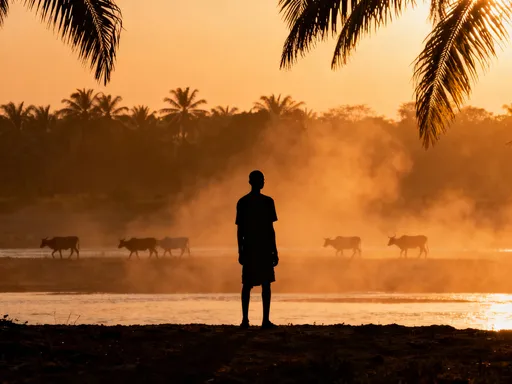
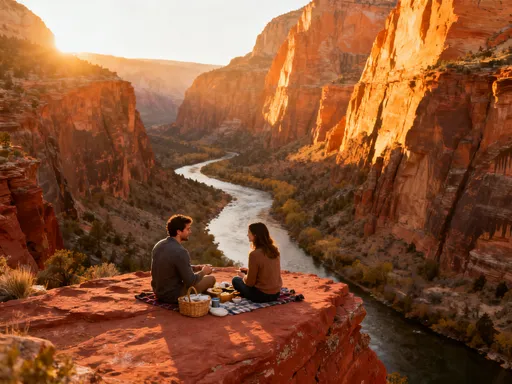
Travel isn’t always about famous landmarks — sometimes, it’s the unexpected moments that stay with you. In N’Djamena, Chad, I stumbled upon a quiet riverside viewpoint at golden hour, where the Chari River shimmered under a burnt-orange sky. This wasn’t a tourist hotspot, just real life unfolding: herders guiding cattle, women balancing water jugs, and the distant call to prayer weaving through the breeze. It was raw, peaceful, and absolutely unforgettable. There were no tour guides, no entry tickets, no crowds — only the gentle rhythm of a city breathing in harmony with its landscape. That single moment redefined what travel could mean: not conquest of destinations, but connection through stillness, observation, and respect.
Arrival in N’Djamena: First Impressions of a Misunderstood Capital
Stepping off the plane in N’Djamena, the heat wraps around you like a thick cotton blanket. The air is dry, carrying the faint scent of dust and diesel, and the sky stretches endlessly in a pale, washed-out blue. The journey from the airport into the city reveals a landscape shaped by the Sahel — flat, arid, dotted with acacia trees and scattered settlements. Buildings rise in muted tones of sand and ochre, their surfaces worn by sun and wind. Along the roadside, markets bloom like wildflowers: wooden stalls shaded by tattered tarps, piled high with mangoes, millet, and handwoven baskets. Motorbikes weave through traffic, their riders balancing everything from goats to stacks of firewood.
For many, N’Djamena exists only as a name on a map, a footnote in discussions about African travel. It does not appear on lists of must-see cities, nor does it boast ancient ruins or luxury resorts. Yet this very lack of polish is what gives it authenticity. Unlike capitals designed for tourism, N’Djamena does not perform for visitors. It simply lives. Its rhythm is not dictated by tour buses or souvenir shops, but by the rising and setting of the sun, the flow of the Chari River, and the daily routines of its residents. To appreciate it, one must shed preconceived notions of what a destination should look like.
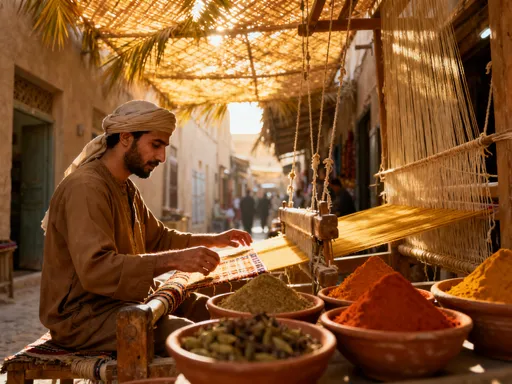
Expectations are often the greatest barrier to meaningful travel. When we arrive with mental checklists — monuments to photograph, experiences to collect — we risk overlooking the subtle beauty of ordinary life. In N’Djamena, that beauty reveals itself slowly. It’s in the way a tailor sits cross-legged beneath a faded awning, stitching a brightly patterned boubou. It’s in the laughter of children chasing a makeshift ball through a dusty alley. It’s in the quiet dignity of elders sipping tea in shaded courtyards. These are not staged moments; they are the fabric of daily existence. Recognizing their value requires a shift in perspective — from seeking spectacle to embracing serenity.
Why N’Djamena Deserves a Closer Look
N’Djamena is not a city that announces itself with grandeur. There are no towering skyscrapers, no neon-lit boulevards, no sprawling malls. And yet, for those willing to look beyond the surface, it offers a richness that few destinations can match. The true appeal of places like N’Djamena lies not in what they offer to the eye at first glance, but in what they reveal over time. These are destinations where viewing experiences go beyond the visual — they become emotional, sensory, even spiritual. They invite not just observation, but participation in a slower, more intentional way of seeing.
Everyday scenes become windows into culture. At the central market, vendors call out prices in French and Arabic, their voices rising and falling like a familiar song. Camels, patient and dignified, stand tethered near the edge of town, waiting for traders to negotiate their sale. Along the roads, brightly painted buses — known locally as gbaka — rattle down potholed streets, their sides adorned with colorful murals and inspirational phrases. Each of these moments tells a story, not of tourism, but of life as it is lived by millions.
What makes N’Djamena special is its authenticity. There is no attempt to cater to foreign tastes or sanitize local customs. People go about their days with purpose and grace, unbothered by the presence of outsiders. This lack of performance allows for genuine connection. When a shopkeeper offers you a cup of sweet mint tea, it is not because you are a customer, but because hospitality is woven into the social fabric. When children wave and call out “Bonjour!” as you pass, it is not for attention, but from natural curiosity and warmth.
For the thoughtful traveler, this authenticity is more valuable than any curated attraction. It offers a chance to witness a way of life that remains untouched by mass tourism. It challenges the idea that travel must be about ticking off landmarks or collecting Instagram-worthy photos. Instead, it suggests a different path — one where meaning is found not in what we acquire, but in what we observe, absorb, and remember.
The Chari River: A Living Landscape
The Chari River is the lifeblood of N’Djamena. It flows from the south, fed by tributaries from the Central African Republic, and winds its way through the capital before feeding into Lake Chad. Unlike the Nile or the Niger, it does not dominate headlines or history books, but within the city, its presence is undeniable. It shapes the climate, supports agriculture, and serves as a gathering place for communities along its banks. More than a geographical feature, the Chari is a stage for daily life — a place where people come to work, play, pray, and connect.
Walking along the riverbanks offers a front-row seat to this living landscape. In the early morning, fishermen cast their nets with practiced precision, their silhouettes sharp against the rising sun. Women kneel at the water’s edge, scrubbing clothes on flat stones, their movements rhythmic and unhurried. Children splash in shallow pools, shrieking with laughter as they dodge incoming waves from passing boats. Further downstream, cattle are led to drink, their hooves sinking slightly into the soft mud. Each of these moments contributes to a larger narrative — one of resilience, routine, and harmony with nature.
There are several vantage points along the river that provide exceptional viewing opportunities. Near the bridge connecting the city center to the southern neighborhoods, a low embankment offers a wide-angle perspective of the water and its surroundings. From here, you can see the interplay of light and shadow as clouds drift overhead, casting shifting patterns on the surface. Further east, a quiet stretch of bank lined with date palms provides a more secluded spot, ideal for uninterrupted observation. At certain times of day, the river reflects the sky so perfectly that the boundary between water and air seems to dissolve.
Sound adds another layer to the experience. The splash of oars, the clatter of wooden boats docking, the low murmur of conversation — these form a natural soundtrack that enhances the sense of immersion. Even the wind plays a role, carrying the scent of damp earth and wild herbs. For those accustomed to the silence of manicured parks or the noise of urban riversides, the Chari offers something different: a symphony of ordinary life, unfiltered and unscripted.
Golden Hour Magic: When the City Transforms
If there is a single moment when N’Djamena reveals its hidden beauty, it is during golden hour — that fleeting stretch of time just before sunset when the sun dips low and bathes everything in a warm, golden glow. The transformation is subtle at first. The harsh midday light softens. Shadows lengthen. Dust particles in the air catch the sun’s rays, turning the atmosphere into a luminous haze. The Chari River, usually a dull brown, begins to shimmer like molten copper. Palm trees along the banks become silhouettes, their fronds outlined in fire.
This is not just a visual phenomenon; it is an emotional one. The city seems to exhale. The pace of life slows. People gather on porches, rooftops, and riverbanks to watch the day end. The call to prayer echoes from multiple directions, blending with the chirping of birds returning to their nests. It is a time of reflection, of transition, of quiet gratitude. For visitors, it is an invitation to pause — to put down cameras, to stop walking, and simply be present.
Timing is essential for experiencing this magic. Arriving too early means enduring the heat without the reward. Arriving too late means missing the transformation altogether. The ideal window is between 5:45 and 6:15 p.m., depending on the season. A spot along the western bank of the Chari, just north of the main bridge, offers one of the clearest views of the sunset. Facing west, you can watch the sun sink behind the tree line, casting long shadows across the water. Another excellent location is a small hill near the botanical gardens, which provides an elevated perspective of the river and surrounding neighborhoods.
What makes these moments so powerful is their impermanence. The light changes by the minute. A scene that looks golden one moment may appear gray the next. This transience is part of what makes the experience so memorable. It cannot be captured fully in photographs. It must be lived. And because it is not marketed or staged, it remains accessible to anyone willing to seek it — no tickets, no reservations, no crowds. It belongs to those who arrive with patience and an open heart.
Finding the Unseen: How to Discover Hidden Viewpoints
The most rewarding views in N’Djamena are rarely found in guidebooks. They are not marked by signs or highlighted on tourist maps. Instead, they are discovered through curiosity, wandering, and conversation. The key is to move slowly, to resist the urge to rush from one place to another. Some of the best moments happen when you take a wrong turn, follow a narrow alley, or stop to rest in a shaded courtyard. These unplanned detours often lead to unexpected beauty.
One effective strategy is to walk local streets rather than main roads. While avenues like Avenue Charles de Gaulle and Avenue Felix Eboue are busy with traffic and commerce, the smaller lanes branching off them reveal a different side of the city. Here, you might pass a courtyard where women are grinding grain, a schoolyard where children recite lessons aloud, or a small mosque where worshippers gather for evening prayers. These scenes are not hidden, but they are easily missed by those who stay on the main routes.
Engaging with locals can also lead to discoveries. A shopkeeper might point you toward a quiet riverside path. A tea vendor might recommend a rooftop with a good view. These suggestions come not from a script, but from personal experience. They reflect a genuine desire to share something meaningful. Even a simple “Bonjour, ça va?” can open a door to connection and insight.
Tools like maps and GPS can be helpful, but they should not replace observation. A basic paper map or offline digital map can guide you, but the real navigation happens through attention. Notice where people gather. Follow the sound of music or laughter. Watch where shadows fall in the late afternoon. These cues often lead to the most authentic viewpoints. And unlike guided tours, which follow fixed itineraries, this kind of exploration allows for spontaneity — the very essence of discovery.
Responsible Viewing: Respecting Local Life While Observing
Observing daily life in a place like N’Djamena comes with a responsibility to do so with respect. These are not performances for tourists; they are real moments in people’s lives. Photography, in particular, requires sensitivity. While it may be tempting to capture every striking image, it is important to ask permission before photographing individuals, especially in private or intimate settings. A smile, a nod, or a simple “Puis-je prendre une photo?” can go a long way in building trust and showing courtesy.
Equally important is the way we position ourselves as observers. Standing on a riverbank with a telephoto lens may allow for crisp images, but it can also create distance — not just physical, but emotional. Being present means more than just seeing; it means listening, breathing the same air, sharing space without intrusion. When children wave, wave back. When someone offers a greeting, return it. These small acts of acknowledgment affirm mutual humanity.
Patience is another form of respect. The best views often come to those who wait. A herder guiding cattle across the river may take twenty minutes to cross. A woman balancing a water jug on her head may pause to speak with a neighbor. Rushing these moments — or trying to force them into a frame — undermines their authenticity. Instead, allow them to unfold naturally. Sit quietly. Breathe. Let the scene reveal itself.
Ultimately, responsible viewing is about balance. It is possible to appreciate beauty without exploiting it. It is possible to document a place without reducing it to a stereotype. The goal is not to extract experiences, but to engage with them thoughtfully. When done with care, observation becomes a form of tribute — a quiet acknowledgment of the dignity and grace found in everyday life.
Reimagining Travel: The Power of Simple Observation
The moment I stood by the Chari River at golden hour did more than create a memory — it changed the way I think about travel. It reminded me that the most profound experiences are often the quietest. They do not require grand plans, expensive tickets, or perfect conditions. They arise from presence, from stillness, from the willingness to see what is already there. In a world where travel is often measured by destinations visited, photos taken, or experiences collected, this kind of observation offers a different metric: depth over distance, meaning over momentum.
N’Djamena, with its unassuming streets and unhurried rhythm, embodies this philosophy. It does not demand attention. It does not advertise its wonders. But for those who take the time to look, it offers something rare — a chance to witness life as it unfolds without pretense. This is not tourism as consumption, but tourism as connection. It is not about conquering a checklist, but about cultivating awareness.
This approach can be applied anywhere. Even in familiar places, there are moments waiting to be seen — the way light falls on a kitchen wall in the morning, the sound of a neighbor’s radio drifting through an open window, the pattern of footsteps on a rainy sidewalk. When we slow down, we begin to notice. We begin to appreciate. We begin to understand that wonder is not reserved for faraway lands — it is woven into the ordinary, if we are willing to see it.
So the next time you travel, consider leaving the checklist behind. Step off the main path. Ask a local for directions to a quiet spot. Sit by a river, a market, a courtyard — anywhere life is lived. Watch. Listen. Breathe. Let the destination reveal itself, not in highlights, but in moments. Because sometimes, the view that blows your mind isn’t on a postcard. It’s in the way a woman carries water, the way a child laughs, the way the sun sets over a river you’ve never heard of — until now.