You Won’t Believe What I Discovered at Cape Coast’s Festival Scene
Have you ever stumbled upon a celebration that completely changes how you see a place? That’s exactly what happened when I arrived in Cape Coast, Ghana, expecting history and beaches—but found a vibrant world of rhythm, color, and community instead. The festivals here aren’t just events; they’re living stories, passed down through generations. What I discovered went far beyond the guidebooks. In a town often remembered for its colonial past and coastal serenity, I encountered something far more powerful: a culture alive with purpose, pride, and pulsing energy. This is not a performance for tourists—it is life as it has been lived for centuries, unfolding in real time.
Arrival in Cape Coast: First Impressions Beyond the Castle
Most travelers come to Cape Coast with one destination in mind: the historic Cape Coast Castle, a UNESCO World Heritage Site that stands as a solemn reminder of the transatlantic slave trade. Its stone walls echo with memory, and visitors often walk its corridors in quiet reflection. While this landmark is undeniably important, it represents only one layer of a much richer story. When I arrived, I expected a slow-paced coastal town where history weighed heavier than daily life. Instead, I was met with a surprising vibrancy—music drifting through alleyways, clusters of people gathered around fabric stalls, and the sound of drumming growing louder each evening.
It didn’t take long to realize something significant was approaching. In the local market, a woman selling handmade soaps smiled and said, “You’re here at the right time. Soon, the town will sing.” She was referring to the upcoming festival season, a time when Cape Coast transforms from a quiet administrative hub into a cultural epicenter. Conversations with guesthouse owners, taxi drivers, and artisans all pointed to the same event: the Fetu Afahye Festival. This annual celebration, deeply rooted in Fante tradition, draws thousands from across the region and even the diaspora. The anticipation was palpable—not manufactured for tourism, but born of genuine communal pride.
The festive energy reshapes the town’s rhythm. Streets that once moved at a relaxed pace now buzz with preparation. Painters restore community centers, tailors work late into the night sewing kente cloth into elaborate regalia, and schoolchildren rehearse traditional dances during breaks. Even the scent of the air changes—mingling woodsmoke, frying plantains, and the earthy aroma of shea butter used in ceremonial anointing. For visitors, this shift offers a rare opportunity: to witness a destination not as a static exhibit, but as a living, breathing entity.
The Heartbeat of the Celebration: Exploring the Fetu Afahye Festival
At the core of Cape Coast’s cultural calendar is the Fetu Afahye Festival, a centuries-old tradition celebrated annually in early September. Organized by the Oguaa Traditional Council, the festival honors the Fante people’s gratitude for a bountiful harvest and serves as a time of spiritual cleansing and communal renewal. Its name combines “Fetu,” meaning town or city, and “Afahye,” which refers to a public festival or feast. Together, they signify a moment when the entire community comes together to reaffirm its identity, values, and connection to ancestral heritage.
The festival’s origins trace back to a historical cholera outbreak in the 19th century. According to oral tradition, the people of Cape Coast consulted spiritual leaders who advised a grand purification ritual involving fasting, prayer, and the cleansing of the town. After following these rites, the illness subsided, and the people vowed to commemorate the event each year. Over time, what began as a solemn act of survival evolved into a joyful expression of resilience, unity, and cultural continuity. Today, Fetu Afahye is not only a local observance but a national symbol of Ghana’s rich intangible heritage.
The official opening ceremony is led by the Omanhene, the paramount chief of Oguaa, who plays a central role in maintaining tradition and order. Dressed in royal regalia, he presides over a durbar—a grand gathering of chiefs, queen mothers, and elders—held at the traditional palace grounds. The event begins with libations poured to honor ancestors, followed by speeches that reflect on the year’s challenges and achievements. Drumming ensembles perform sacred rhythms, each beat carrying meaning and history. The presence of the Omanhene underscores the festival’s legitimacy and spiritual significance, reminding participants that this is not mere entertainment, but a sacred duty.
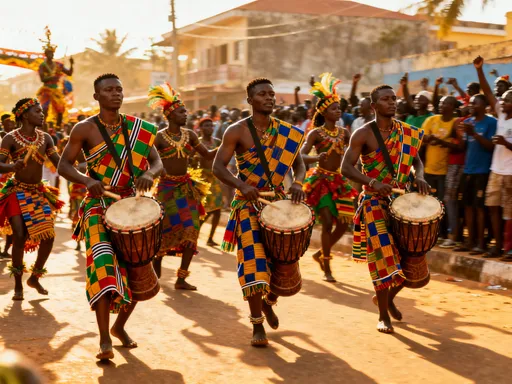
Throughout the week, public events unfold across the city. One of the most anticipated is the grand parade, where hundreds of dancers, drummers, and cultural groups march through the streets in vibrant display. Each neighborhood and clan presents its own unique style, from the intricate footwork of warrior dances to the graceful movements of youth ensembles. Ritual offerings are made at sacred groves and shrines, ensuring balance between the physical and spiritual worlds. These practices are not relics of the past—they are actively upheld, taught to younger generations, and adapted to contemporary life without losing their essence.
A Sensory Journey: What It Feels Like to Be in the Middle of the Festivities
To stand in the heart of Cape Coast during Fetu Afahye is to be immersed in a full-body experience. The morning sun rises over the Atlantic, casting golden light on streets already alive with movement. By midday, the parade begins, and the air fills with the deep, resonant pulse of talking drums, the high-pitched rattle of sistrums, and the rhythmic stomp of feet on packed earth. Color explodes in every direction—kente cloth in bold geometric patterns, headwraps tied with precision, and body paint used to mark ceremonial significance. It’s impossible to remain detached; the energy invites participation, even for silent observers.
The smells are just as powerful. Along the parade route, food vendors set up temporary stalls offering local delicacies. The scent of roasted plantains caramelizing over open flames mingles with the tangy aroma of ground pepper and tomatoes used in light soup. Banku, a fermented corn and cassava dough, is served hot with grilled tilapia, its sourness balancing the spiciness of the stew. Children run between tables with cups of sweet ginger juice, their laughter blending with the music. Elders sit beneath shade tents, fanning themselves and nodding to the beat, their faces lined with years of memory and meaning.
One of the most moving aspects of the festival is its intergenerational nature. Grandparents teach grandchildren the steps of traditional dances. Teenagers proudly wear hand-sewn costumes passed down from their parents. Even infants are wrapped in miniature versions of kente, symbolizing their inclusion in the cultural lineage from birth. Visitors are not excluded from this circle. Locals often gesture for tourists to join the dance lines, offering hands and smiles. There is no sense of performance for outsiders—only an open invitation to share in the joy.
Photographs capture moments, but they cannot convey the warmth of the crowd, the vibration of drums in your chest, or the way a shared meal with a host family can feel like coming home. The festival creates a rare space where difference dissolves, and connection is immediate. In a world often defined by speed and separation, Fetu Afahye offers a reminder of what it means to belong.
More Than Just a Party: The Cultural Meaning Behind the Music and Masks
Beneath the surface of celebration lies a deep cultural framework that gives Fetu Afahye its enduring power. Every element—from the patterns in the kente cloth to the rhythms of the drums—carries symbolic weight. The Fante people use art not merely for beauty, but as a language of identity, history, and moral instruction. Understanding these symbols transforms the experience from passive observation to meaningful engagement.
Traditional attire, for instance, is far more than decorative. The colors and designs in kente cloth communicate messages about lineage, status, and occasion. A golden yellow pattern may represent wealth and spiritual purity, while black can signify maturity and ancestral remembrance. The way a cloth is worn—draped over one shoulder or wrapped tightly around the body—also conveys respect and intention. During the festival, these garments are not costumes; they are acts of reverence, connecting wearers to their ancestors and community values.
Similarly, dance is not just entertainment but storytelling in motion. Each movement has meaning: a stomp may represent strength, a shoulder shake could symbolize dismissal of evil, and a slow turn might honor the presence of elders. Some dances reenact historical battles or migration stories, preserving oral history through physical expression. The drumming, too, is a coded language. Skilled drummers can “speak” proverbs and names using tonal patterns, allowing communication across distances and generations.
Masks and carved figures play a role in certain ceremonial rites, particularly those related to spiritual cleansing. These are not objects of fear or superstition, but representations of ancestral spirits and protective forces. Used in controlled, culturally appropriate contexts, they serve to mediate between the human and spiritual realms. During evening gatherings, elders share stories beneath the stars, recounting the origins of the festival, the deeds of past leaders, and the values that bind the community—hospitality, courage, and unity. These moments are not staged for tourists; they are organic transmissions of culture, ensuring that knowledge continues to flow.
Planning Your Visit: When to Go and How to Experience It Right
For travelers seeking an authentic cultural experience, timing is essential. The Fetu Afahye Festival takes place annually on the first Saturday of September, with events spanning nearly a week. To fully appreciate the buildup and aftermath, it’s recommended to arrive at least five days before the main parade and stay through the closing ceremonies. Booking accommodations in advance is crucial, as guesthouses and small hotels fill quickly during this period.
Staying in family-run guesthouses within the Oguaa neighborhood offers the most immersive experience. These lodgings provide not only comfort but also direct access to local hosts who can share insights, recommend food spots, and even invite visitors to private gatherings. Many offer rooftop views of the parade route, allowing guests to witness the festivities without navigating dense crowds. Homestays also support the local economy directly, ensuring that tourism benefits the community in tangible ways.
Respectful observation is key to being welcomed into the festival’s spirit. While photography is generally permitted, it’s important to ask permission before photographing individuals, especially during sacred rituals. Visitors should dress modestly—avoiding revealing clothing—and remove hats or sunglasses when in the presence of chiefs or elders as a sign of respect. Participating in dances is encouraged, but it’s wise to follow the lead of locals rather than impose unfamiliar movements.
Practical tips enhance the experience. Arriving early for the parade ensures a good viewing spot, ideally near the city center or along the main thoroughfare. Carrying cash is essential, as most food vendors and artisans do not accept digital payments. Learning a few basic phrases in Fante, such as “Maakye” (good morning) or “Medaase” (thank you), goes a long way in building rapport. Above all, approaching the festival with humility and curiosity allows for deeper connection and lasting memories.
Beyond the Festival: Hidden Gems That Make Cape Coast Special
While the Fetu Afahye Festival is a highlight, Cape Coast offers much more for those who linger beyond the celebrations. On quieter days, visitors can explore nearby fishing villages like Nyanyano and Abura, where wooden canoes are hauled onto sandy shores and nets are mended under the shade of palm trees. These communities operate on a rhythm tied to the tides, offering a glimpse into sustainable coastal living. Purchasing fresh fish directly from the catch supports local livelihoods and provides an unforgettable meal.
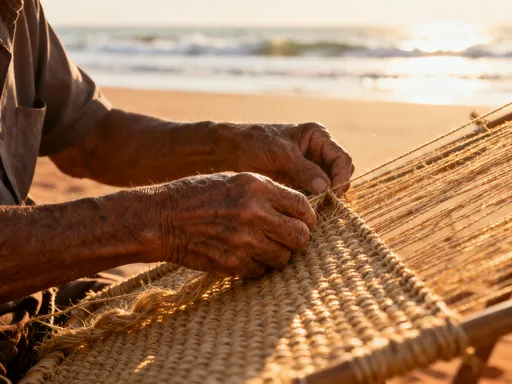
Artisans in Cape Coast are custodians of cultural craftsmanship. In open-air markets and small workshops, visitors can watch as kente weavers create intricate patterns on wooden looms, or as mask carvers shape wood into symbolic forms. Some studios offer short demonstrations, allowing guests to try their hand at basic weaving or learn about the dyes used in traditional textiles. These interactions deepen appreciation for the skill and intention behind festival regalia.
A short drive inland leads to Kakum National Park, a lush rainforest reserve home to canopy walkways suspended over the treetops. This natural wonder contrasts beautifully with the cultural intensity of the festival, offering peace and perspective. Guided walks through the forest highlight medicinal plants, bird species, and conservation efforts led by local communities. The park is a testament to Ghana’s commitment to preserving both natural and cultural heritage.
After the festival ends, the beaches around Cape Coast regain their calm. Places like Busua and Assin Prasu offer quiet stretches of sand where locals gather in the evenings to stroll, play music, or simply sit in silence. These moments—away from crowds and cameras—reveal the everyday beauty of coastal life. For travelers, such spaces provide reflection and reconnection, grounding the festival’s intensity in stillness.
Why This Experience Changes the Way You Travel
Attending the Fetu Afahye Festival does more than fill a passport with stamps—it reshapes the very idea of what travel can be. In an age of curated itineraries and photo-centric tourism, this experience stands apart. It is not about checking off landmarks, but about stepping into a story already in motion. The festival invites participation, not observation; connection, not consumption. It reminds us that the most meaningful journeys are not measured in miles, but in moments of shared humanity.
Slow, culturally immersive travel—like that offered in Cape Coast—encourages deeper understanding. It asks travelers to listen more than speak, to learn rather than assume, and to respect rather than extract. In West Africa, where traditions are lived rather than displayed, this approach fosters genuine exchange. Visitors leave not just with souvenirs, but with new perspectives, friendships, and a sense of belonging.
Cape Coast challenges the notion that history is only found in museums. Here, history walks, dances, and dines with you. It is carried in the voices of elders, the steps of children, and the hands of artisans. To visit during the festival is to witness culture as a living river—flowing from the past, shaping the present, and moving toward the future.
The greatest lesson from this journey is simple: seek out the real. Look beyond the brochures and search for local calendars, community events, and seasonal celebrations. Travel with respect, with openness, and with a willingness to be surprised. Because sometimes, the destination you planned for is only the beginning. The true journey begins when you let go of expectations and allow a place to reveal itself on its own terms. Cape Coast isn’t just a dot on the map—it’s a story, and now, part of yours.