You Won't Believe These Hidden Shopping Spots in Ras Al Khaimah
Think you know shopping in the UAE? Ras Al Khaimah holds secrets most tourists miss. Beyond the sands and mountains, tucked in local souks and quiet corners, lie authentic markets bursting with charm and value. I discovered handcrafted treasures, fragrant spices, and textiles no mall can replicate—all without the crowds. This isn’t just shopping; it’s a cultural journey waiting to unfold.
Why Ras Al Khaimah? Redefining the UAE Shopping Experience
Ras Al Khaimah, often overshadowed by its flashier neighbors, is emerging as a destination for travelers seeking authenticity over spectacle. While Dubai dazzles with towering malls and Abu Dhabi impresses with curated luxury, Ras Al Khaimah offers something quieter, deeper, and more personal—a chance to engage with Emirati culture through everyday commerce. Its slower pace allows visitors to linger, observe, and connect, making shopping here less about transactions and more about interaction.
The emirate’s growing reputation as a cultural and eco-tourism hub has drawn attention to its traditional markets and local craftsmanship. Unlike the air-conditioned corridors of megamalls, Ras Al Khaimah’s shopping experiences unfold in sunlit alleys, open-air stalls, and family-run shops where heritage is woven into every product. This shift from commercial consumption to cultural exchange reflects a global trend: travelers increasingly seek meaningful connections, not just souvenirs. In this context, Ras Al Khaimah stands out as a place where retail becomes storytelling.
What truly sets the emirate apart is its balance of preservation and progress. Ancient crafts are kept alive not as museum pieces but as living traditions, supported by both locals and forward-thinking tourism initiatives. Whether you’re browsing handwoven baskets or sampling date varieties passed down through generations, each purchase supports a lineage of skill and pride. For the discerning traveler, especially women aged 30 to 55 who value quality, authenticity, and cultural depth, Ras Al Khaimah offers a refreshingly grounded alternative to the typical Gulf shopping experience.
The Heart of Tradition: Exploring the Central Souq
At the core of Ras Al Khaimah’s shopping culture lies the Central Souq, a vibrant marketplace where the senses come alive. The moment you step inside, you’re greeted by a symphony of aromas—saffron, cardamom, frankincense, and the warm sweetness of dried dates. The air hums with quiet bargaining, the rustle of fabric, and the occasional call to prayer drifting from a nearby minaret. This is not a tourist trap but a working market where Emirati families shop for daily essentials and special occasion items alike.
The souq is divided into distinct sections, each offering a different facet of Emirati life. The gold section sparkles under soft lighting, with artisans displaying intricate necklaces, bangles, and bridal sets that reflect centuries of regional design. Unlike mass-produced jewelry found in malls, these pieces often carry symbolic meanings—protection, prosperity, or family unity—making them deeply personal gifts. Vendors here are knowledgeable and patient, happy to explain the significance behind a particular pattern or technique.
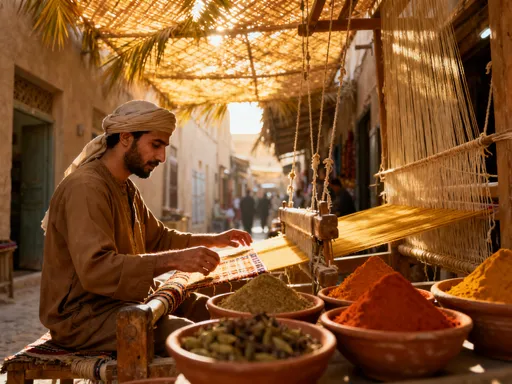
The textile area is equally captivating, with rows of abayas, kanduras, and embroidered fabrics in rich jewel tones. Many of these garments are made locally, using techniques passed from mother to daughter. Look for hand-stitched details or natural dyes—signs of quality craftsmanship. Nearby, perfume stalls offer bottled artistry in the form of oud, rosewater, and sandalwood blends. These fragrances are not merely scents but cultural markers, often used in hospitality and celebration.
For first-time visitors, navigating the souq can feel overwhelming, but a few simple tips make all the difference. Haggling is expected, but it should be done with respect and a smile. Begin by asking the price, then offer slightly less—typically 20 to 30 percent lower—while remaining open to compromise. Paying in cash often strengthens your position, though many vendors now accept cards. Above all, take your time. Let conversations unfold naturally. A vendor who feels respected is more likely to share insights, recommend hidden stalls, or even invite you for a cup of Arabic coffee.
Hidden Gems Beyond the Main Streets: Boutique Workshops & Artisan Stalls
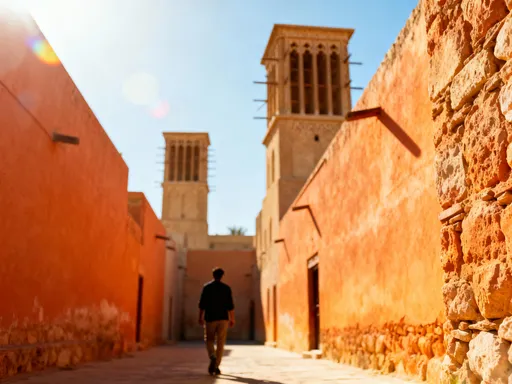
A short walk from the main thoroughfares, tucked behind old stone buildings and narrow alleyways, are the true treasures of Ras Al Khaimah—small workshops where artisans practice time-honored crafts. These are not souvenir factories but creative sanctuaries where pottery is shaped by hand, palm fronds are woven into baskets, and metalworkers hammer copper into ornate trays. In neighborhoods near Al Dhayah and the historic old town, craftsmanship is not a performance for tourists but a way of life.
One such workshop belongs to Fatima, a third-generation potter whose family has worked with local clay for over a century. Using a simple wheel and open-air kiln, she creates vessels that are both functional and beautiful—water coolers that keep liquids refreshingly cold, decorative bowls etched with geometric patterns. Her hands move with quiet precision, each gesture shaped by decades of tradition. Visitors are welcome to watch, and some workshops even offer short demonstrations or hands-on sessions for those eager to try.
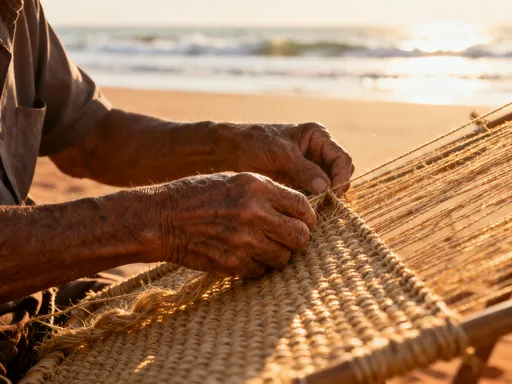
Another standout is the weaving collective just outside the old fort, where women craft baskets, mats, and decorative items from palm leaves. Known as *sadu* weaving, this technique is recognized by UNESCO as an intangible cultural heritage. The process is labor-intensive—each leaf is stripped, dried, and dyed using natural pigments—but the result is durable, elegant, and deeply symbolic. Patterns often represent elements of desert life: wind, sand dunes, or tribal affiliations.
Supporting these artisans does more than yield a unique keepsake; it sustains entire communities. Many of these craftspeople rely on tourism to continue their work, especially as younger generations gravitate toward modern professions. By purchasing directly from them, travelers help preserve cultural heritage and empower local economies. These items, unlike mass-produced imports, carry a story—one of resilience, skill, and continuity. For the thoughtful shopper, that narrative adds immeasurable value to any purchase.
Modern Meets Local: Al Hamra Village Mall with a Twist
For those who appreciate comfort and convenience without sacrificing authenticity, Al Hamra Village Mall offers a harmonious blend of modern retail and regional character. Unlike conventional malls that could exist anywhere in the world, this seaside complex incorporates Emirati design elements—arched walkways, earth-toned facades, and shaded courtyards that echo traditional courtyard homes. The atmosphere is relaxed, with sea breezes drifting through open-air sections and views of the marina adding to the sense of place.
What makes Al Hamra Village special is its curation of Emirati-owned boutiques. Amid international brands, you’ll find small shops offering hand-embroidered apparel, locally made perfumes, and artisanal home goods. One popular store specializes in modern interpretations of the abaya, blending modesty with contemporary fashion—think flowing silhouettes in unexpected colors or delicate beadwork inspired by desert flora. These pieces appeal to both locals and visitors looking for something elegant yet culturally rooted.
The mall also hosts seasonal pop-ups during cultural festivals, where emerging designers showcase limited-edition collections. These events often include live demonstrations—calligraphy, henna art, or traditional music—turning shopping into a multisensory experience. Families, particularly women traveling with children or companions, appreciate the balance of air-conditioned comfort and cultural enrichment. Rest areas with views of the water, cafés serving karak tea and date pastries, and ample seating make it easy to spend several hours here without feeling rushed.
Al Hamra Village Mall proves that modernity and tradition need not be at odds. It offers a bridge between worlds—one where global convenience meets local soul. For travelers who want the ease of familiar amenities but crave authentic connections, this hybrid space delivers both. It’s a place where you can sip coffee while watching a local artisan paint a miniature dhow boat, or pick up a gift that feels personal rather than generic.
Fridays at the Farmers’ Market: Fresh Finds and Handmade Delights
Every Friday morning, the Ras Al Khaimah Farmers’ Market transforms a quiet park near the corniche into a lively celebration of local agriculture and homegrown talent. This weekly event brings together farmers, beekeepers, bakers, and crafters, all offering products grown, harvested, or made within the emirate. The atmosphere is warm and welcoming, with families strolling under shaded tents, children sampling fresh juice, and visitors chatting with producers about their methods and harvests.
The market’s heart lies in its food offerings. Tables overflow with organic vegetables, citrus fruits, and herbs grown in the fertile wadis of the Hajar Mountains. Dates—over a dozen varieties—are a highlight, from the soft, caramel-like Khunaizi to the firm, nutty Mabroom. Vendors proudly explain the differences, often offering samples. Nearby, beekeepers sell raw honey infused with sidr or acacia nectar, prized for their rich flavor and natural properties. These honeys are not just sweeteners but part of Emirati wellness traditions, often used in home remedies or ceremonial dishes.
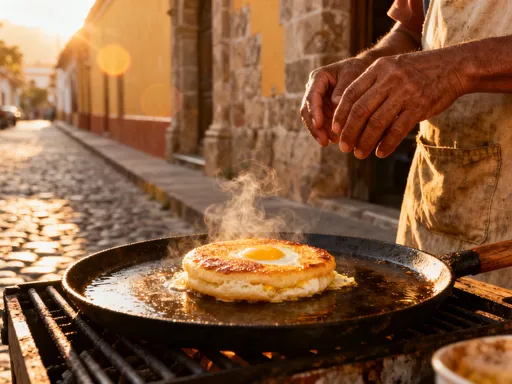
Equally enticing are the homemade treats: date-filled pastries, saffron cakes, and laban-based desserts made with traditional recipes. One stall, run by a group of local women, offers *luqaimat*—golden, syrup-drenched dumplings—cooked fresh on-site. The scent alone draws crowds. Other vendors sell jams, pickles, and spice blends, each jar labeled with the maker’s name and story. This transparency fosters trust and connection, turning grocery shopping into an act of cultural exchange.
The best time to visit is between 8:00 and 11:00 a.m., when the selection is fullest and the weather remains pleasant. Cash is preferred, though some vendors accept mobile payments. Bring a reusable bag and arrive hungry—many items are meant to be tasted on the spot. Engaging with vendors is encouraged; a simple compliment or question about their process often leads to warm conversation and unexpected recommendations. For the family-oriented traveler, this market offers not just fresh food but a genuine sense of community.
Smart Shopping: Practical Tips for a Smooth Experience
To make the most of your shopping journey in Ras Al Khaimah, a few practical considerations go a long way. Timing is key—early mornings, especially on weekdays, are ideal for visiting souqs and outdoor markets. The air is cooler, crowds are thinner, and vendors are more relaxed, making it easier to engage in meaningful conversation. Avoid midday during summer months, when temperatures soar and outdoor shopping becomes uncomfortable.
Dress modestly and comfortably. While the emirate is welcoming to visitors, respecting local customs enhances your experience. Women should cover shoulders and knees; lightweight, breathable fabrics in neutral tones are both practical and appropriate. Comfortable walking shoes are essential, especially when exploring uneven pathways in old town areas or standing during market visits.
When it comes to payment, carry a mix of cash and cards. While many shops in malls and established markets accept credit cards, smaller stalls and artisans often prefer cash, particularly in smaller denominations. Having AED 10, 20, and 50 bills on hand makes transactions smoother and supports haggling when needed. Always ask politely if card payment is possible—many vendors are adapting, but the infrastructure may not always be available.
Language can be a bridge if approached with humility. While English is widely spoken, learning a few Arabic phrases shows respect and often opens doors. Simple greetings like *"Salaam alaikum"* (peace be upon you) and *"Shukran"* (thank you) are appreciated. Asking *"Kayf halak?"* (how are you?) in a friendly tone can turn a transaction into a conversation. Vendors are more likely to share tips, recommend hidden spots, or offer a discount when they feel genuine connection.
Avoid common tourist mistakes such as rushing through purchases, taking photos without permission, or touching goods without intent to buy. Always ask before photographing people or stalls. Be mindful of body language—standing too close or speaking too loudly can be seen as intrusive. Shopping here is not just about acquiring items but about honoring the people who make them. When done with care and respect, it becomes a form of cultural diplomacy.
From Purchase to Memory: Making Your Buys Meaningful
In Ras Al Khaimah, every purchase has the potential to become more than an object—it can become a vessel of memory, a conversation starter, a piece of living heritage. A handwoven basket isn’t just storage; it’s a symbol of craftsmanship passed through generations. A bottle of local oud isn’t just a fragrance; it’s a link to Emirati traditions of hospitality and celebration. When you bring these items home, you’re not merely decorating a shelf—you’re preserving a story.
Consider how you display or use your finds. Hang a embroidered textile in your living room as a focal point. Use a copper tray for serving tea during gatherings, sharing its origin with guests. Fill a pottery water cooler in your kitchen, appreciating both its beauty and function. These acts transform souvenirs into daily reminders of your journey, keeping the spirit of Ras Al Khaimah alive in your home.
For many women in the 30–55 age group, shopping is not just a leisure activity but a way to express identity, values, and curiosity. Choosing items that are handmade, sustainable, and culturally significant aligns with a desire for purposeful living. Each purchase becomes a quiet act of support—for artisans, for tradition, for communities striving to keep their heritage alive in a changing world.
Ultimately, shopping in Ras Al Khaimah is not about how much you buy, but how deeply you connect. It’s about the smile shared with a vendor, the story behind a pattern, the warmth of a cup of tea offered in a back-alley workshop. These moments linger far longer than any material possession. They shape not just your suitcase, but your perspective.
Ras Al Khaimah’s true retail magic isn’t in price tags—it’s in the stories behind every purchase. By stepping off the beaten path, travelers don’t just buy goods; they take home pieces of heritage, crafted with pride and shared with warmth. Let your next shopping trip become a journey of discovery, one authentic interaction at a time.