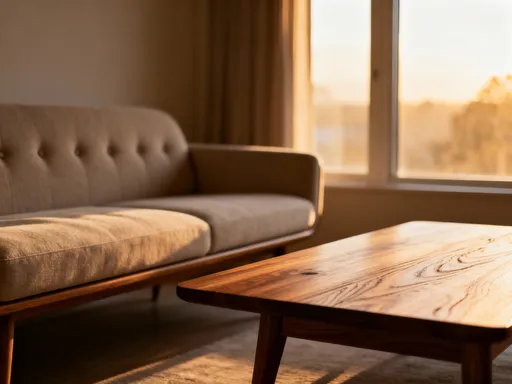
Furniture That Pays Back: Smarter Buying, Lasting Value
You don’t just buy furniture—you invest in it. I used to treat it like a one-time expense until I realized some pieces actually hold value, even grow in worth. What if your sofa wasn’t just comfort, but part of a smarter financial strategy? This isn’t about splurging—it’s about choosing wisely, avoiding traps, and building long-term value. Let’s break down how furniture can quietly work for you. While most people see a coffee table as mere utility, the truth is that certain furnishings can serve as quiet contributors to household wealth. With thoughtful selection, maintenance, and timing, what fills your living room today could fund part of your kitchen renovation tomorrow. This article explores how rethinking your furniture purchases can align with long-term financial health, offering practical insights into value retention, risk management, and smart acquisition.
The Hidden Investment in Everyday Furniture
Furniture occupies space in more ways than one—it fills rooms, shapes lifestyles, and, when chosen wisely, becomes a subtle but meaningful part of personal financial strategy. Most households view furniture as a necessary cost, something to be minimized at checkout. But this mindset overlooks a critical truth: not all spending on furnishings is equal. Some purchases vanish in value the moment they leave the store, while others maintain or even increase their worth over time. The shift begins with perception. When you stop seeing furniture as disposable and start viewing it as a long-term asset, your buying decisions change. This mental recalibration turns a routine purchase into a deliberate act of value preservation.
Consider two sofas: one made of synthetic fabric over particleboard, priced at $600, and another crafted from solid hardwood with natural upholstery, priced at $2,500. On the surface, the first appears to be the smarter financial choice. Yet within five years, the cheaper model sags, stains easily, and shows signs of structural wear, making resale nearly impossible. The more expensive option, however, remains sturdy, repairable, and visually timeless. After a decade, it may still fetch 40% to 60% of its original value through secondhand sales or trade-in programs. This difference isn’t just about durability—it’s about depreciation, a concept familiar in automobiles but often ignored in home furnishings.
Economists refer to the rapid decline in value of low-cost, mass-produced goods as “hidden depreciation.” Because these items are replaced frequently, their long-term cost is far higher than the sticker price suggests. A family replacing a dining set every seven years spends more over 30 years than one investing in a single, high-quality set that lasts a lifetime. Moreover, the environmental and emotional costs—time spent shopping, delivery hassles, disposal fees—add invisible burdens. By contrast, furniture that lasts reduces these recurring expenses, functioning like a low-maintenance investment that pays back in convenience and resilience.
This isn’t to suggest every household should buy antique mahogany tables or designer originals. Rather, the principle applies across budgets: intentionality matters. Choosing pieces built to endure, with classic lines and quality materials, transforms furniture from a sinking cost into a store of value. Over time, this approach fosters a home filled not with clutter, but with meaningful, functional assets. And when life changes—children grow, spaces evolve, moves occur—these pieces adapt rather than get discarded. In this way, furniture becomes more than decor; it becomes part of a broader strategy for financial stability rooted in thoughtful consumption.
Why Some Furniture Gains Value (And Most Doesn’t)
The marketplace for furniture is vast, but not all pieces are built to last—or to appreciate. Understanding what separates the enduring from the ephemeral requires examining several key factors: material quality, craftsmanship, brand heritage, design style, and cultural relevance. These elements collectively determine whether a piece fades into obscurity or gains recognition over time. At the core of value retention is material integrity. Solid wood—especially hardwoods like oak, walnut, and teak—naturally outlasts engineered alternatives like particleboard or fiberboard. These manufactured materials may be cheaper upfront, but they swell with moisture, warp under stress, and cannot be refinished or repaired effectively. A solid wood dresser, by contrast, can be sanded, stained, and re-purposed across generations.
Equally important is construction technique. Furniture joined with dovetailing, mortise-and-tenon joints, or hand-pegged frames demonstrates superior durability compared to items held together with staples, glue, or cam locks. These traditional methods, though labor-intensive, signal longevity. Similarly, upholstery made from natural fibers like wool, cotton, or leather tends to age more gracefully than synthetic blends, which often pill, fade, or crack. When assessing potential value, buyers should look beyond surface appeal and examine the bones of the piece—its frame, joints, and underlying structure—because these are what survive decades of use.
Brand and designer origin also play a significant role. Pieces from recognized manufacturers or mid-century designers—such as Hans Wegner, Eero Saarinen, or Edward Wormley—carry provenance that enhances resale demand. Even contemporary brands known for ethical sourcing and craftsmanship, like Stickley or Vermont Country Store, build trust that translates into secondary market confidence. Rarity amplifies this effect. Limited production runs, discontinued lines, or region-specific designs often become sought after as tastes shift and availability dwindles. A chair produced in small numbers during the 1970s may now command premium prices due to nostalgia, scarcity, and design revival.
Cultural trends further influence value. Mid-century modern design, for instance, has maintained strong appeal since its resurgence in the early 2000s. Scandinavian simplicity, minimalist forms, and organic shapes continue to resonate with buyers seeking timeless elegance. These styles avoid the pitfalls of fleeting fads—such as overly bold colors or extreme silhouettes—that quickly date a piece. Instead, they prioritize function, proportion, and restraint, allowing them to integrate seamlessly into evolving interiors. When selecting furniture with long-term value in mind, it’s wise to favor designs that transcend passing trends and speak to enduring human preferences for comfort, balance, and beauty.
Investing in Quality: The Long-Term Math
The argument for quality furniture rests on a simple but powerful equation: total cost of ownership. While a high initial price may seem daunting, spreading that cost over decades of use often results in a lower per-year expense than repeatedly replacing cheaper alternatives. Take the example of a dining table. A family might purchase an inexpensive pine table for $400, only to replace it every eight years due to warping, staining, or broken legs. Over 40 years, that amounts to five tables and a total expenditure of $2,000—without gaining any resale value. Meanwhile, a solid oak table costing $3,000 at the outset could last the entire period with minimal maintenance, potentially selling for $1,200 at the end. In real terms, the effective cost drops to $1,800, with the added benefit of consistent quality and aesthetic continuity.
This principle extends to depreciation patterns. Most new furniture loses 50% to 70% of its value within the first year, much like a new car. But while a car’s utility declines with mileage, well-made furniture often improves with age, developing a patina that enhances its character. Unlike electronics or fast fashion, quality furnishings do not become obsolete. A well-constructed bookshelf from the 1960s functions just as well today as it did 60 years ago, and may even be more desirable due to its craftsmanship and authenticity. This durability flattens the depreciation curve, allowing owners to recoup a meaningful portion of their investment when they eventually sell.
Maintenance also plays a crucial role in long-term economics. High-quality pieces are typically easier and more cost-effective to repair. A loose leg on a mass-produced table might require replacement of the entire unit, whereas a solid wood chair can be re-glued or re-joined by a skilled craftsman for a fraction of the cost. Upholstery can be re-covered, finishes renewed, hardware replaced. These small interventions extend lifespan dramatically, reinforcing the idea that furniture should be maintained, not discarded. Over time, this approach cultivates a relationship with belongings that is both practical and emotionally enriching.
From a lifestyle perspective, investing in quality pays dividends beyond finances. Ergonomically sound chairs, supportive sofas, and well-proportioned tables contribute to daily comfort and well-being. They create environments that feel stable, cohesive, and thoughtfully curated. Children grow up around objects that last, learning implicitly about care, sustainability, and value. In this way, the decision to buy better furniture becomes a quiet expression of values—respect for craftsmanship, environmental responsibility, and long-term thinking. The math supports it, the experience confirms it, and the legacy endures.
Where to Buy for Value: Beyond the Showroom Floor
Retail markup on furniture can range from 50% to over 100%, meaning consumers often pay significantly more than the production cost. While brick-and-mortar stores offer convenience and immediate gratification, they are rarely the best source for value-driven purchases. Savvy buyers know that alternative markets—estate sales, auctions, consignment shops, and artisan platforms—can yield exceptional finds at a fraction of retail prices. These channels bypass corporate overhead and allow direct access to well-made, often unique pieces that have already proven their durability through years of use.
Estate sales, in particular, are treasure troves for quality furniture. When households downsize or pass on belongings, gently used items from reputable brands frequently appear at bargain prices. A family clearing out a longtime home may sell a solid maple sideboard for $300, unaware it could resell for double that after minor refinishing. Buyers who know how to assess wood type, joint quality, and structural integrity can identify undervalued assets. Similarly, auctions—both live and online—offer opportunities to acquire rare or collectible pieces. Platforms like LiveAuctioneers or local county auctions provide access to estates, collections, and liquidations where competition is lower and pricing more flexible.
Certified pre-owned dealers specialize in restoring and reselling high-end furniture with verified authenticity. These businesses often source from private collectors, design firms, or international markets, offering pieces with documented history and professional refurbishment. Though priced higher than flea market finds, they reduce risk by providing warranties, detailed descriptions, and expert curation. For buyers without time to hunt or restore, this option delivers peace of mind and long-term value in one package.
Direct-from-artisan platforms, such as custom woodworkers or regional craft fairs, allow investment in new furniture built to last. These makers often use sustainably sourced materials, traditional techniques, and made-to-order models that avoid mass production flaws. While initial costs may be higher, the result is a piece tailored to the buyer’s space and needs, with full knowledge of its origin and construction. Digital marketplaces like Chairish, 1stDibs, or even curated sections of eBay have democratized access to vintage and designer furniture, enabling buyers to compare prices, read reviews, and verify provenance from home. The key to success in these markets is patience, research, and a clear sense of what constitutes true quality—skills that, once developed, pay back repeatedly.
Risk Control: Avoiding the Furniture Traps
Even informed buyers can fall into common pitfalls when treating furniture as a long-term asset. One of the most frequent mistakes is overestimating resale potential. Just because a piece is expensive or labeled “designer” doesn’t guarantee it will hold value. Trends shift, tastes evolve, and not all brands maintain their reputation over time. Some companies produce items with high initial appeal but poor durability, relying on marketing rather than craftsmanship. Without independent verification—such as collector demand, auction records, or design authority recognition—it’s risky to assume a piece will appreciate.
Another trap is underestimating maintenance requirements. Solid wood needs humidity control to prevent cracking; leather upholstery requires conditioning; veneers are prone to lifting if mishandled. Buyers who overlook these needs may find their prized possession deteriorating faster than expected, eroding both usability and resale value. It’s essential to assess not only the current condition but also the ongoing care a piece demands. For busy households or those in humid climates, certain materials may be impractical despite their beauty.
Impulse buying, especially during life transitions like moving or renovating, poses another significant risk. Emotional urgency can lead to overspending or poor choices. A buyer might splurge on an oversized sectional to fill a new living room, only to realize it doesn’t fit the space or lifestyle. To mitigate this, experts recommend setting a clear budget, waiting at least 48 hours before finalizing major purchases, and consulting objective sources—such as design guides, price databases, or independent reviews—before committing.
Diversification is also important. Putting too much capital into a single furniture item increases exposure to market fluctuations and personal taste changes. A balanced approach involves investing in a mix of functional, durable pieces across different rooms and styles. This reduces reliance on any one item to deliver financial return and ensures the home remains livable and adaptable. Finally, it’s crucial to maintain realistic expectations. Furniture is not a liquid asset like stocks or bonds. Selling can take weeks or months, and fees—whether through consignment, shipping, or platform commissions—can eat into profits. Therefore, any financial benefit should be viewed as a bonus, not the primary reason for purchase.
Resale, Rental, and the Second-Life Market
The secondary market for furniture has grown substantially in recent years, driven by rising awareness of sustainability, digital connectivity, and shifting consumer preferences. Platforms like Facebook Marketplace, Craigslist, OfferUp, and specialized sites such as Kaiyo or AptDeco make it easier than ever to sell or trade used furniture. These services often include pickup, cleaning, and professional photography, reducing the hassle for sellers while increasing buyer confidence. As a result, high-quality pieces can find new homes quickly, sometimes at prices close to original retail.
Timing plays a crucial role in resale success. The best periods to sell are typically spring and early fall, when people are moving, renovating, or preparing for seasonal changes. Presenting items in optimal condition—cleaned, repaired, and photographed in a well-lit, styled setting—can significantly boost perceived value. Descriptions should highlight materials, dimensions, brand, and any unique features, while being honest about wear. Transparency builds trust, which translates into faster sales and better offers.
Beyond resale, alternative income streams are emerging. Some homeowners rent out high-end furniture for special events, photo shoots, or film productions. A vintage Eames lounge chair, for instance, might earn $75 per day when leased to a photography studio. Online platforms like Peerby or Fat Llama facilitate these peer-to-peer rentals, allowing owners to monetize rarely used items. Others participate in buy-back programs offered by select retailers, where gently used pieces are repurchased for resale in refurbished condition. These models transform static assets into dynamic ones, generating returns beyond personal utility.
The growth of the circular economy in home furnishings reflects a broader cultural shift toward mindful consumption. Rather than treating furniture as disposable, more people are embracing reuse, repair, and repurposing. This not only supports environmental goals but also strengthens personal finances by extending the life cycle of valuable items. As these markets mature, they create new opportunities for households to extract value from belongings that would otherwise sit unused or end up in landfills. The message is clear: with the right approach, furniture can be both functional and financially productive.
Building a Furniture Strategy That Fits Your Life
Creating a sustainable, value-conscious furniture strategy requires balancing financial discipline, personal taste, and practical needs. It begins with self-assessment: What kind of lifestyle do you lead? How long do you plan to stay in your current home? What level of maintenance are you willing to commit to? Answering these questions helps determine how much to invest and where to focus. For a young family in a rental apartment, durable, adaptable pieces may be more important than collectible status. For an empty nester preparing for retirement, heirloom-quality furnishings might align with a desire for legacy and permanence.
A successful strategy integrates several principles. First, prioritize longevity over trendiness. Choose classic silhouettes, neutral tones, and timeless materials that will remain appealing for years. Second, allocate budget strategically—invest more in large, frequently used items like sofas, beds, and dining tables, while opting for simpler solutions in low-impact areas. Third, document everything: keep receipts, take condition photos, and record any repairs or refinishing work. This paper trail enhances resale credibility and supports accurate valuation.
Maintenance should be part of the plan from the start. Simple habits—rotating cushions, dusting wood surfaces, using coasters and pads—preserve condition and extend life. Learning basic repair skills or identifying a trusted craftsman ensures minor issues don’t become major losses. Finally, stay informed. Follow design trends without being ruled by them. Understand which styles have lasting appeal and which are fleeting. Subscribe to reputable home and finance publications, join online communities, and observe resale markets to refine your judgment over time.
Ultimately, smart furniture choices reflect broader financial health. They demonstrate foresight, intentionality, and respect for resources. They reduce waste, lower long-term costs, and create living spaces that feel cohesive and meaningful. While furniture will never replace traditional investments like retirement accounts or real estate, it can complement them by adding quiet value to everyday life. When chosen with care, it becomes more than an object—it becomes part of a resilient, thoughtful approach to living well.
Furniture may not replace stocks or real estate, but it’s more than just stuff. When chosen with care, it becomes part of a smarter, more resilient financial life—paying back in comfort, style, and sometimes, even cash.